All Categories
Featured
Table of Contents
In this post, we'll walk you through the essentials of company process optimization, exploring different strategies, tools, and methods that can assist you transform your operations. Organization procedure optimization is everything about improving your company's workflows and systems to accomplish optimum outcomes. It refers to the practice of studying, upgrading, and enhancing existing company procedures to enhance performance, reduce costs, and ultimately drive better results.
The main goal of organization procedure optimization is to produce more effective and effective workflows that support the organization's strategic goals. This can include: Eliminating unneeded steps and tasks that do not add value to the procedure. Improving workflows to allow employees to work more effectively and attain much better results. Improving procedures to provide higher-quality service or products to consumers in a prompt manner.
Creating an environment that motivates continuous enhancement and allows organizations to adapt to altering market conditions. Implementing organization procedure optimization strategies can cause various advantages for companies, including: By streamlining operations and getting rid of inefficiencies, organizations can lower expenditures and save resources. Improved processes can result in greater performance and enhanced customer complete satisfaction, eventually driving profits growth.
Efficient processes can lower disappointment and improve task satisfaction amongst staff members, causing higher retention and much better general performance. A focus on constant enhancement helps companies remain nimble and adjust to progressing business environments. By comprehending the idea of company procedure optimization, its goals and goals, and the prospective advantages it can bring, organizations can start to establish and carry out methods to optimize their operations and achieve higher success.
Can GCC Models Mitigate the Growing Talent Shortage?
Let's check out these actions in more information. The primary step in establishing a service procedure optimization technique is to recognize and examine your company's existing processes. This involves: Noting all essential organization processes Recording each process step by step Identifying bottlenecks, ineffectiveness, and locations for improvement Collecting data on process performance, such as time taken, resources utilized, and expenses sustained As soon as you've examined your present processes, it's time to set goals and objectives for optimization.
This includes: Identifying possible modifications to streamline workflows and get rid of ineffectiveness Evaluating the possible impact of each improvement on process performance Prioritizing improvements based upon factors such as cost, feasibility, and potential advantages Establishing detailed prepare for carrying out the picked enhancements Once you've drawn up your process improvements, it's time to put them into action.
To guarantee long-lasting success, companies need to: Routinely review and examine procedure efficiency information to determine brand-new opportunities for enhancement Stay current on market finest practices and emerging technologies that could further boost operations Foster a culture of continuous improvement, encouraging workers to identify and recommend process improvements Regularly reevaluate optimization objectives and goals to ensure they remain aligned with the company's strategic goals These steps help businesses to establish and implement an effective service procedure optimization method that drives efficiency, performance, and overall service growth.
Here's an introduction of five popular service procedure optimization techniques. Lean method is a popular procedure optimization method that focuses on lessening waste and taking full advantage of value in company procedures.
Understanding Legal Compliance for 2026 Expansion
Lean method stresses minimizing waste to enhance performance and performance. Lean companies are constantly trying to find methods to enhance and improve their processes, fostering a culture of ongoing knowing and development. Lean method places a strong emphasis on empowering employees to take ownership of their work and add to process improvement efforts.
How to Coordinate Global Talent for GrowthDeveloped by Motorola in the 1980s, 6 Sigma has actually because been embraced by organizations throughout different markets. Key elements of the Six Sigma methodology consist of: This structured analytical method guides groups through the procedure of determining concerns, evaluating information, executing enhancements, and monitoring outcomes. 6 Sigma relies heavily on statistical tools and methods to evaluate process performance data and recognize opportunities for enhancement.
Business Process Reengineering (BPR) is a radical optimization technique that involves reconsidering and revamping a company's core processes from the ground up. BPR intends to accomplish dramatic improvements in effectiveness, effectiveness, and consumer satisfaction by: BPR motivates companies to question the status quo and consider completely new approaches to their operations.
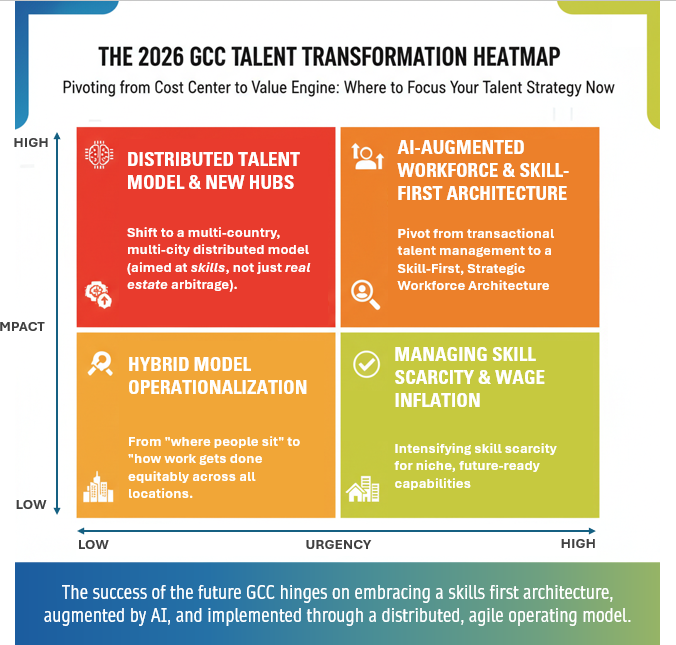
Can GCC Models Mitigate the Growing Talent Shortage?
BPR often includes breaking down conventional departmental silos and implementing procedures that span several practical locations. Kaizen, a Japanese term meaning "modification for the better," is a viewpoint of constant improvement that can be used to company process optimization. Kaizen motivates companies to: Kaizen focuses on making regular, small-scale modifications to procedures, instead of attempting large-scale overhauls.

Latest Posts
How to Execute Strategic GCC Operations in 2026
Navigating Global Workforce Laws Dynamics in 2026
Key Business Expansion Strategies for the Americas Markets